Ein einfacher 10-Minuten-Test, der zeigt, wie dein Puls auf das Aufstehen reagiert.
Er wird bei Verdacht auf POTS und orthostatische Intoleranz eingesetzt.
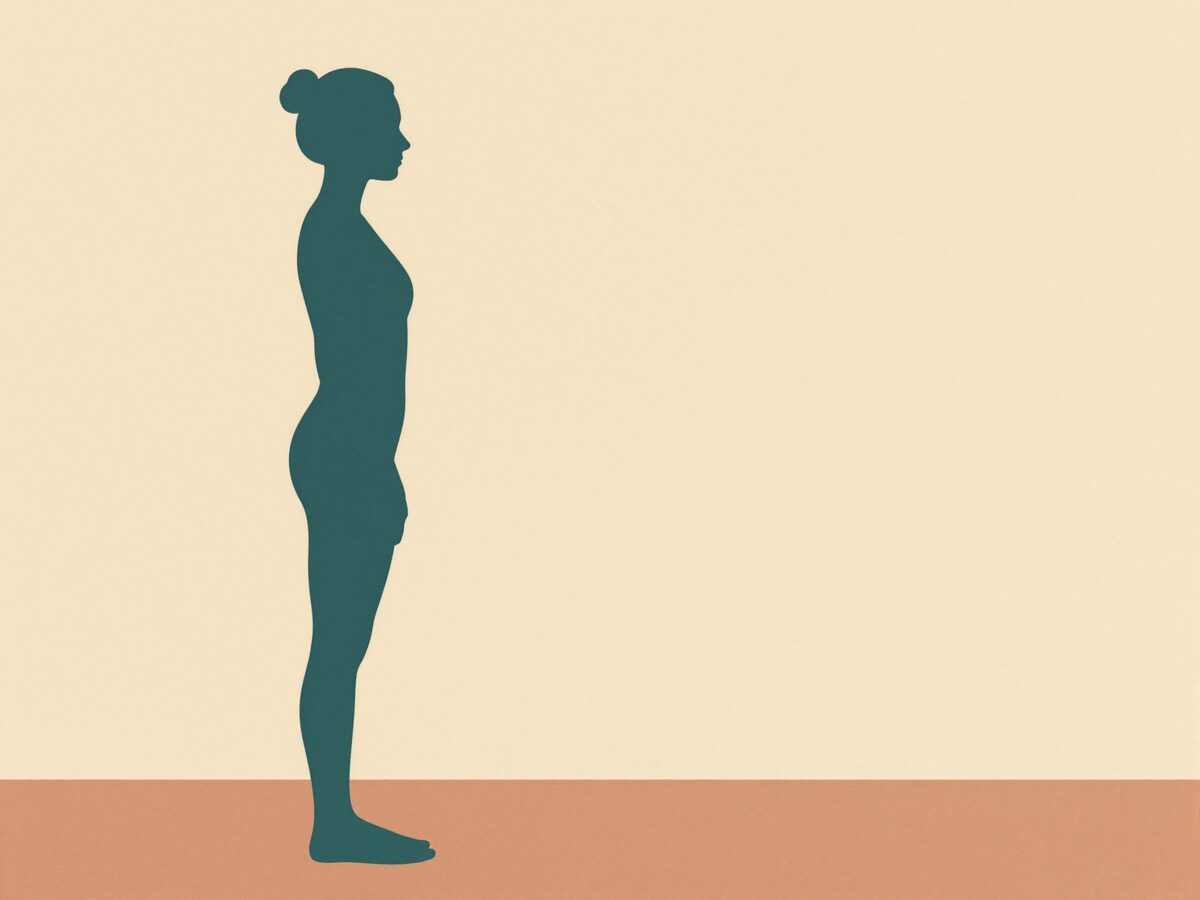
A simple 10-minute test that shows how your heart rate reacts to standing up.
It's used when POTS or orthostatic intolerance (trouble staying upright) is suspected.
Bitte zuerst lesen
Please read this first
Nicht allein durchführen. Beim Test kann Schwindel bis hin zur Ohnmacht auftreten —
es muss jemand in Reichweite sein.
Don't do this alone. The test can cause dizziness, and even fainting —
someone needs to be within reach.
Sorge für eine weiche Unterlage und eine Sitzgelegenheit direkt daneben.
Set up a soft surface to lie on and somewhere to sit right next to you.
Brich sofort ab, wenn dir schwarz vor Augen wird, du Brustschmerz oder starke Übelkeit
spürst — leg dich hin. Der Abbruch-Knopf ist immer sichtbar.
Stop right away if your vision goes dark, or you feel chest pain or strong nausea —
lie down. The stop button is always visible.
Der Test kann bei ME/CFS eine Verschlechterung (PEM) auslösen. Plan danach Ruhe ein.
With ME/CFS the test can trigger a crash (PEM, post-exertional malaise). Plan for rest afterwards.
Sprich vorher mit deiner Ärztin oder deinem Arzt, besonders bei Herzerkrankungen.
Talk to your doctor beforehand, especially if you have a heart condition.
So läuft es ab
How it works
10 Minuten ruhig liegen. Am Ende wird dein Ruhepuls im Liegen erfasst.
Lie still for 10 minutes. At the end your resting heart rate (lying down) is recorded.
Aufstehen und locker anlehnen: Fersen etwa 15–20 cm von der Wand, Schultern an der Wand.
Stand up and lean gently: heels about 15–20 cm from the wall, shoulders touching the wall.
10 Minuten stehen bleiben — jede Minute trägst du deinen Puls ein (von der Uhr ablesen).
Stay standing for 10 minutes — every minute you enter your heart rate (read it off your watch).
Für ein aussagekräftiges Bild am besten morgens, nüchtern,
ohne zusätzliche Flüssigkeit/Salz und ohne Kompressionsstrümpfe — sofern ärztlich vertretbar.
For a clearer picture, do it in the morning, before eating or drinking,
without extra fluids or salt and without compression stockings — as long as your doctor is okay with that.
Phase 1 · ruhig liegen
Phase 1 · lie still
10:00
Bleib entspannt liegen. Nicht sprechen, nicht aufs Handy schauen.
Stay relaxed and lying down. Don't talk, don't look at your phone.
Wenn du magst, trag zwischendurch deinen Puls ein —
nötig ist nur der Wert am Ende.
If you like, enter your heart rate along the way —
only the value at the end is needed.
Phase 2 · stehen
Phase 2 · standing
10:00
Stell dich locker an die Wand — Schultern an, Fersen 15–20 cm davor.
Dein Ergebnis
Your result
– bpm
stärkster Anstieg gegenüber dem Liegen
biggest rise compared with lying down
Ein auffälliges Muster ist keine POTS-Diagnose. Die Diagnose stellt eine
Ärztin oder ein Arzt anhand der vollständigen Kriterien — dazu gehören auch anhaltende Beschwerden
über mindestens sechs Monate und der Ausschluss anderer Ursachen. Nimm das Ergebnis mit zum Termin.
A striking pattern is not a POTS diagnosis. Only a doctor can make the diagnosis,
using the full set of criteria — which include symptoms lasting at least six months and ruling out
other causes. Take the result with you to your appointment.
Der 10-Minuten-Stehtest (NASA Lean Test) wird u. a. vom Bateman Horne Center und der CDC als
einfache Untersuchung bei ME/CFS und Long COVID beschrieben. Bewertungsgrenze: anhaltender
Pulsanstieg ab 30 bpm (ab 40 bpm bei Jugendlichen unter 20) bei stabilem Blutdruck.
Diese Seite misst und dokumentiert — sie diagnostiziert nicht.
The 10-minute stand test (NASA Lean Test) is described by the Bateman Horne Center and the CDC,
among others, as a simple check for ME/CFS and Long COVID. Threshold: a sustained heart-rate rise
of 30 bpm or more (40 bpm or more in teens under 20) with stable blood pressure.
This page measures and documents — it does not diagnose.